

How Can Lift Chair Help Your Autistic Child?
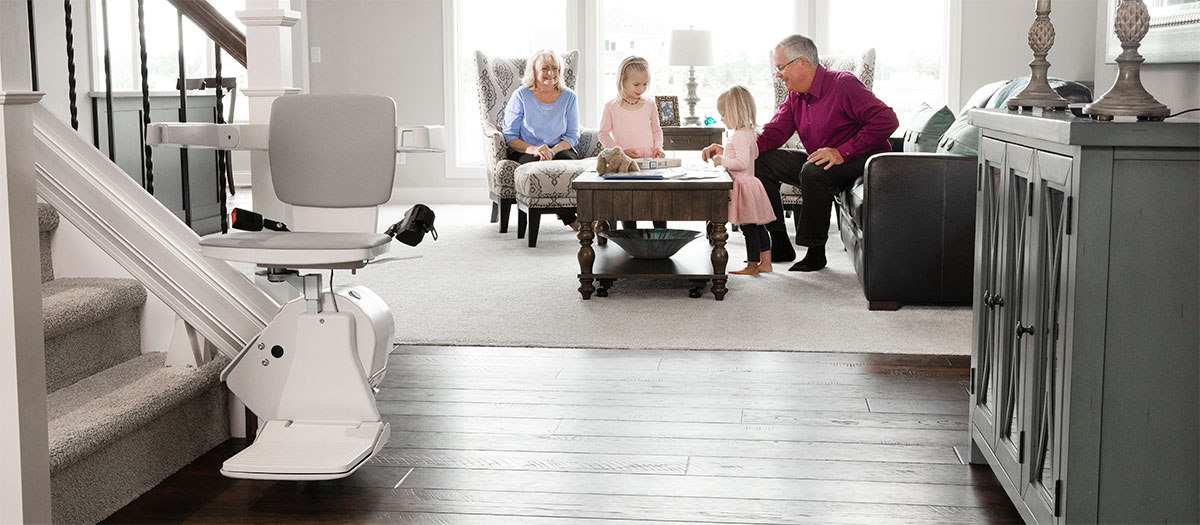
A lift chair can be a valuable aid for an autistic child by offering comfort, safety, and sensory support. Children with autism spectrum disorder (ASD) often have unique sensory, motor, and emotional needs. A lift chair provides features that can meet several of these needs at once, making daily routines smoother and more enjoyable for both the child and the caregiver. AABA Family Medical provides lift chair in Hammonton, NJ, Somers Point, NJ, Vineland, NJ, Cherry Hill, NJ, Egg Harbor Township, NJ, Absecon, NJ and surrounding areas.
- First, the gentle lifting and reclining motions of the chair can provide deep pressure and vestibular input, which many autistic children find calming. The sensation of smooth movement can help regulate the nervous system, reduce anxiety, and promote relaxation. This can be particularly useful during times of sensory overload or after stressful activities, helping the child settle down more easily.
- Second, the chair’s adjustability supports comfort and proper posture. Some autistic children have low muscle tone or difficulty sitting upright for long periods. The lift function assists them in getting in and out of the chair safely without straining, while the reclining feature allows for restful breaks. This independence can build confidence and reduce frustration for the child.
- Additionally, lift chairs can serve as a safe “quiet space.” Having a consistent, cozy spot for reading, resting, or using sensory tools can help the child self-regulate when they need a break from social or environmental stimuli. The predictable comfort of their own chair can also provide emotional security and routine—something many children with autism rely on.
- For caregivers, a lift chair reduces the physical effort of helping the child transition from sitting to standing, especially as they grow older. Overall, a lift chair can enhance comfort, encourage independence, and support emotional and sensory regulation, making it a practical and therapeutic addition to the home environment for a child with autism.
Please reach out with any questions you might have, and we will be happy to help.