

Choosing the right home access ramps can feel like a bigger decision than it first appears. There are two main routes most families take: modular ramps, which are prefabricated and can be assembled or reconfigured as needs change, and permanent ramps, which are built into the structure of the home. Both serve the same core purpose, helping you or someone you love move safely and independently, but they differ in ways that really do matter depending on your situation. Here is a straightforward look at how the two compare, so you can feel more confident going into the decision.
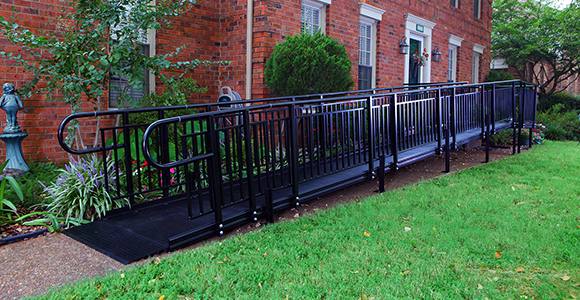
What Modular Ramps Offer
Modular ramps are made from pre-engineered sections, typically aluminum, that bolt together on-site. They go up quickly, sometimes in just a few hours, and they do not require a building permit in many municipalities the way a permanent structure would. If your needs or living situation change, sections can be reconfigured, extended, or completely relocated to a different home. That flexibility is genuinely valuable.
For families in Camden, Gloucester City, and West Deptford, we see a lot of interest in modular ramps when someone is recovering from surgery or managing a condition that may improve over time. Renters often prefer them too, since the ramp can be removed and the property returned to its original state. And because the aluminum construction requires very little maintenance compared to wood, most homeowners find them easier to live with long term.
The main consideration with modular ramps is cost relative to a simple wood build. A modular system is typically a larger upfront investment than a basic wooden ramp, though when you factor in durability, longevity, and the lack of ongoing maintenance, many families find the value evens out quickly.
When a Permanent Ramp Makes Sense
Permanent ramps, most often built from pressure-treated wood or concrete, are a good fit when the need is long term and the homeowner has no plans to move. They can be designed to blend with the existing architecture of a home, which matters to some families from an aesthetic standpoint. A well-built permanent ramp can also handle heavy daily use with confidence.
That said, wood ramps do require regular upkeep. Boards can warp or splinter, surfaces need to be treated or repainted, and handrails require inspection. In our part of Southern New Jersey, the coastal humidity and seasonal weather shifts can be harder on wood structures than in drier climates. For customers in areas like Berlin or Voorhees and surrounding areas, that weathering factor is worth keeping in mind before committing to a wood build.
Concrete ramps are extremely durable but essentially impossible to modify once poured. If mobility needs change or if a family member eventually moves, a concrete ramp becomes a permanent feature of the property with limited flexibility.
Key Questions to Ask Before You Decide
There is no single right answer here, which is why we always encourage families to think through a few practical questions before choosing a direction.
- Is this a temporary or long-term accessibility need?
- Do you rent your home, or do you own it?
- How much elevation does the ramp need to cover, and how much space is available?
- Are there HOA rules or local permit requirements to consider?
- What is your realistic budget for both installation and ongoing maintenance?
The answers to those questions often point clearly in one direction. For example, a homeowner in Gloucester City dealing with a progressive condition who wants a solution that can grow with them will almost always be better served by a quality modular system. Someone who owns their home outright, expects consistent needs, and has a strong preference for a built-in look might lean toward permanent construction.
How We Can Help
We have been helping families across Southern New Jersey with home accessibility for more than 20 years, and ramps are one of the most common starting points for that conversation. As one of Southern New Jersey’s highest-rated installers of both custom and modular ramps, we can walk you through what will actually work for your home, your budget, and your daily life. Our factory-trained technicians handle installation carefully, and for most mobility products we offer free White Glove Delivery and Setup throughout Southern NJ, including Camden, West Deptford, Cape May, Brigantine, Glassboro, Wildwood, Vorhees Township, and surrounding areas.
If you are weighing modular versus permanent and are not sure which direction makes more sense, please give us a call or drop us an email. We are happy to talk it through with you, no pressure at all.